
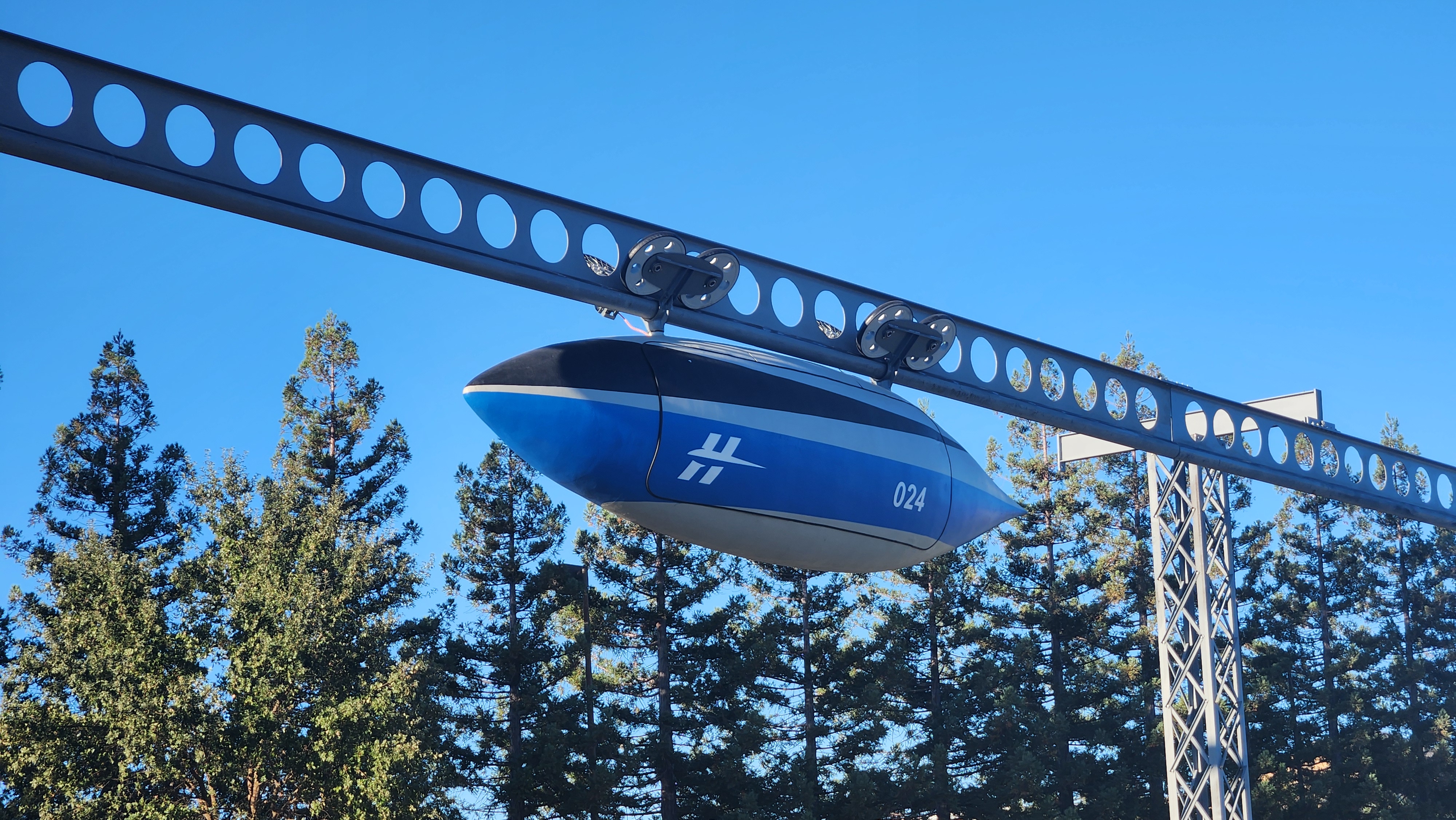
Prototype
Hytrak Completes Full-Scale Prototype in Lake County
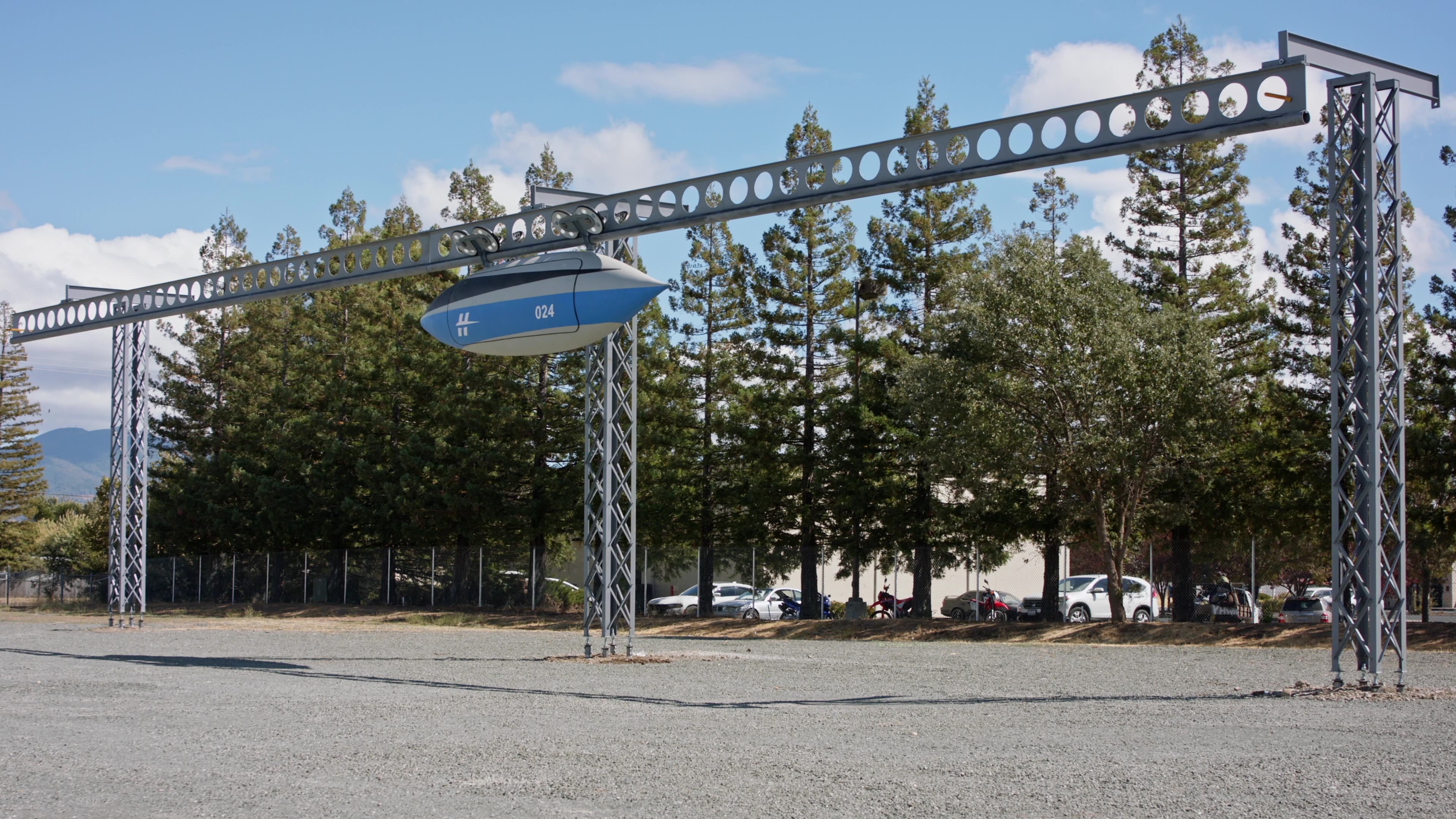
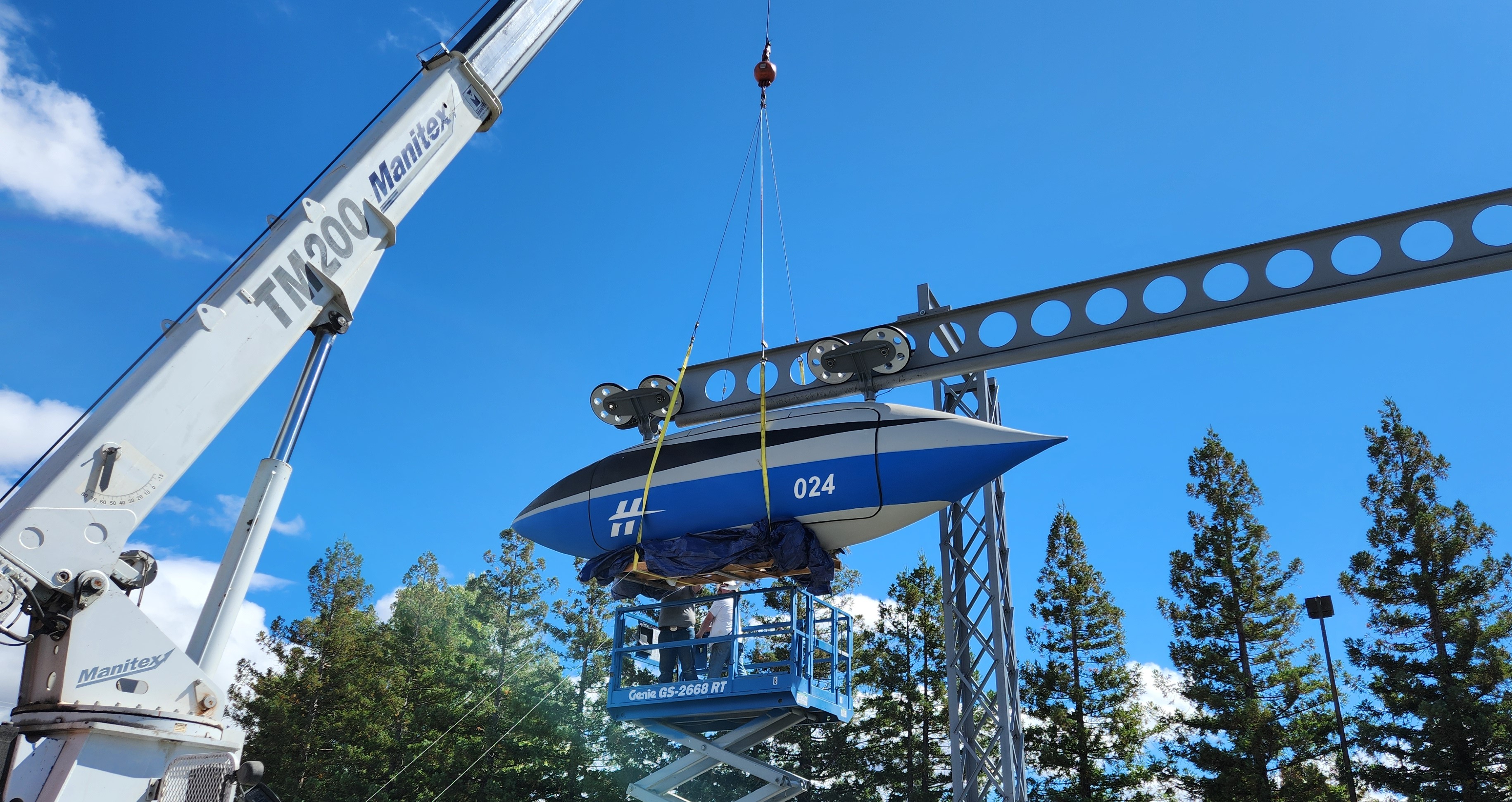
The Hytrak team successfully built and began testing the first full-scale inverted monorail car and track system at their Lake County, California facility.
Point-to-point high-speed travel at 250 mph. Private 4-passenger pods. Zero emissions. Built for roughly 5% of the cost of conventional high-speed rail projects. The future of intercity transit is here.
Step into a private 4-passenger car - a personal cabin, not a crowded carriage. Non-stop, point-to-point travel with the comfort and privacy of your own vehicle at 250 mph.
Explore the system from three angles: the rail in motion, the speed, and the depot.
How the Technology WorksHytrak Rail partners with Siemens - a global leader in industrial automation, digital twin simulation, and smart infrastructure - to accelerate our elevated rail platform from prototype validation through corridor-scale deployment.
Traditional high-speed rail projects are trillion-dollar nightmares. Hyperloop remains theoretical. Hytrak changes everything with a buildable, proven, patented system.
California's HSR project ballooned to $105+ billion. Per-mile costs exceed $200M - unviable for most corridors.
Political gridlock, environmental lawsuits, and land acquisition turn rail projects into generational timelines.
Ground-level and elevated concrete corridors destroy communities, farmland, and ecosystems during construction.
Decades of promises, billions invested - no commercially viable hyperloop system exists or is near deployment.
Lightweight elevated towers require minimal land acquisition - civil works cost a fraction of traditional high-speed rail per mile.
Unlike concept competitors, Hytrak has completed a full-scale functional prototype in Lake County, California.
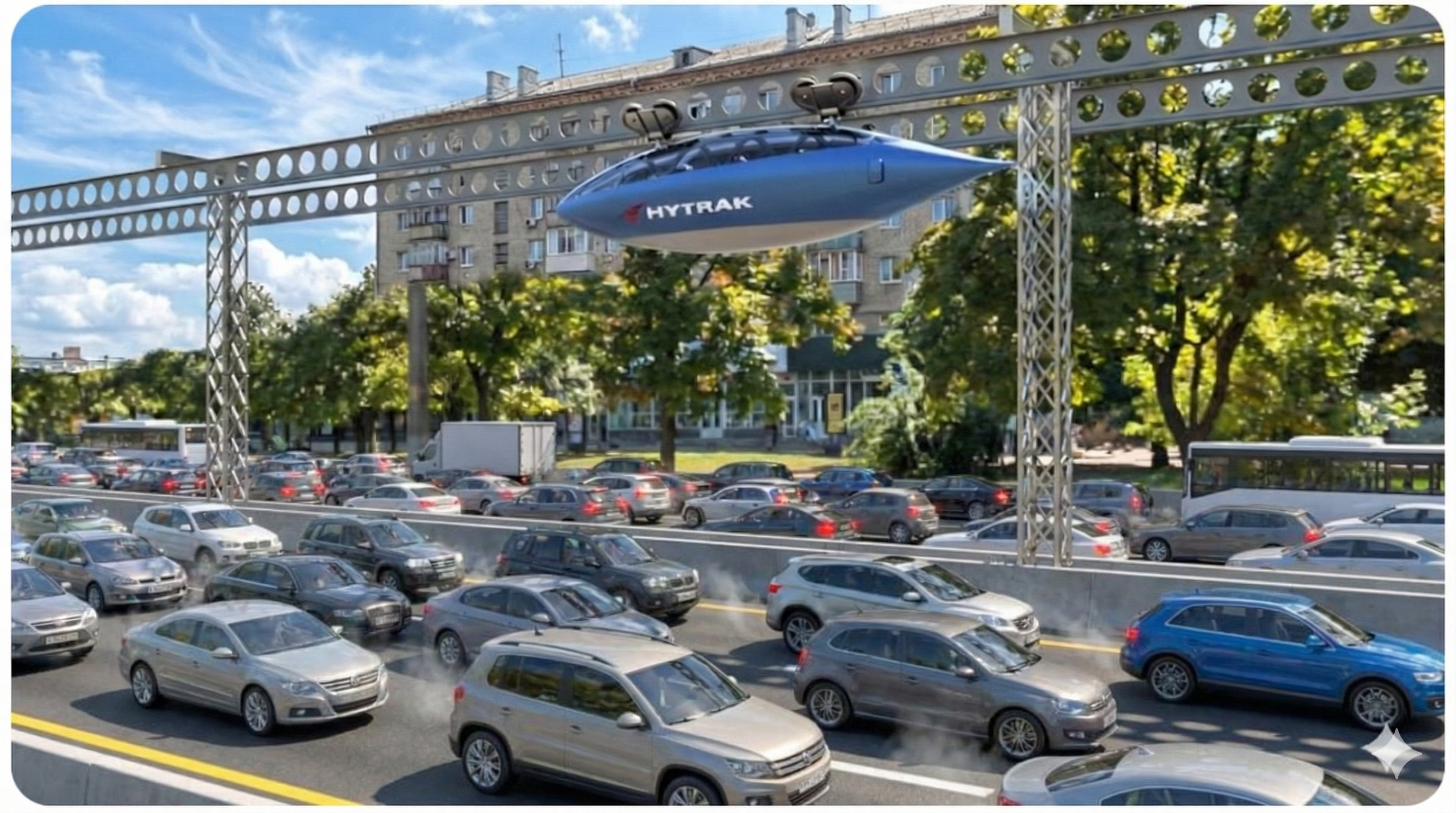
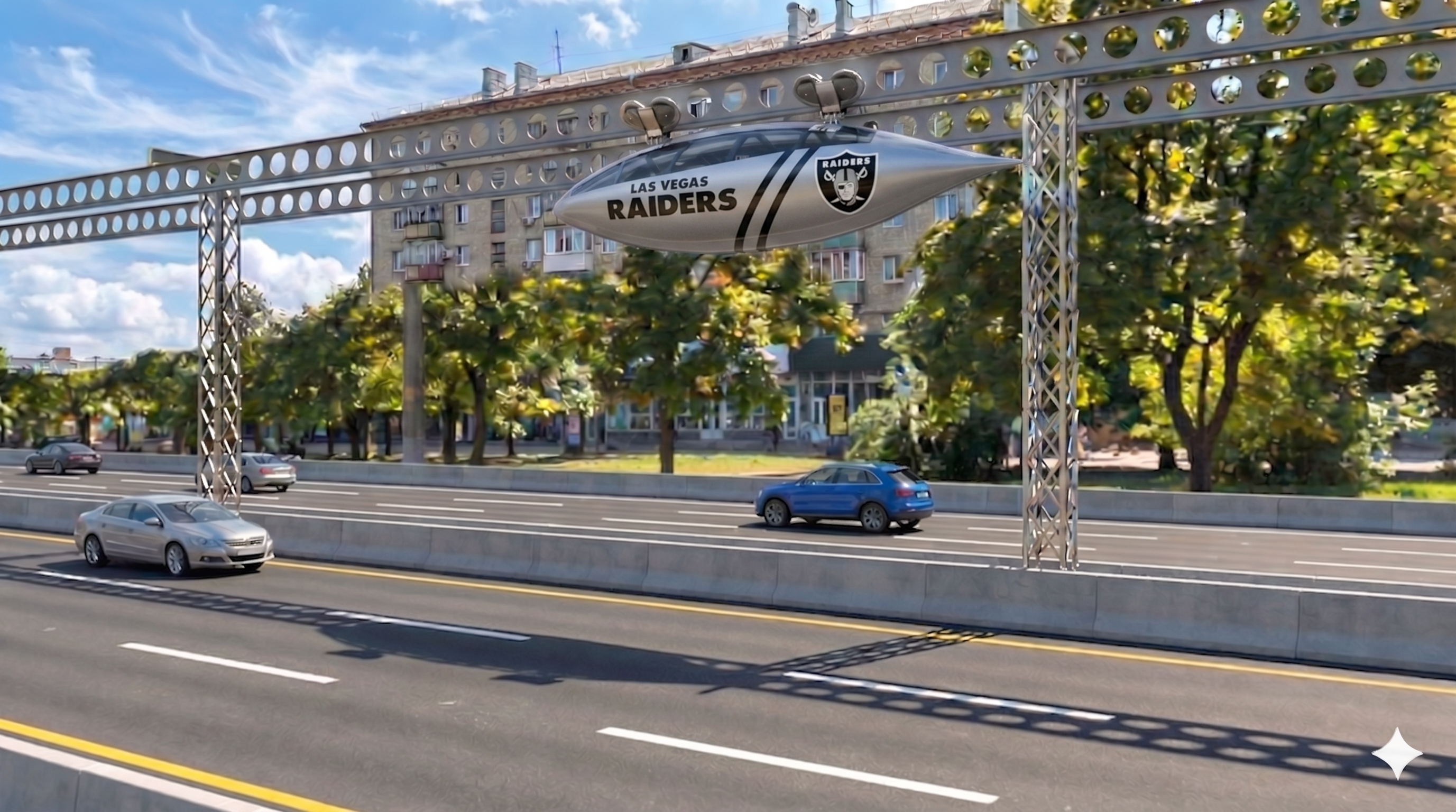
Slender towers alongside existing highway corridors. Land beneath remains usable. Near-zero construction footprint.
Modular construction methodology means regional corridors can be planned, approved, and built in years, not decades.
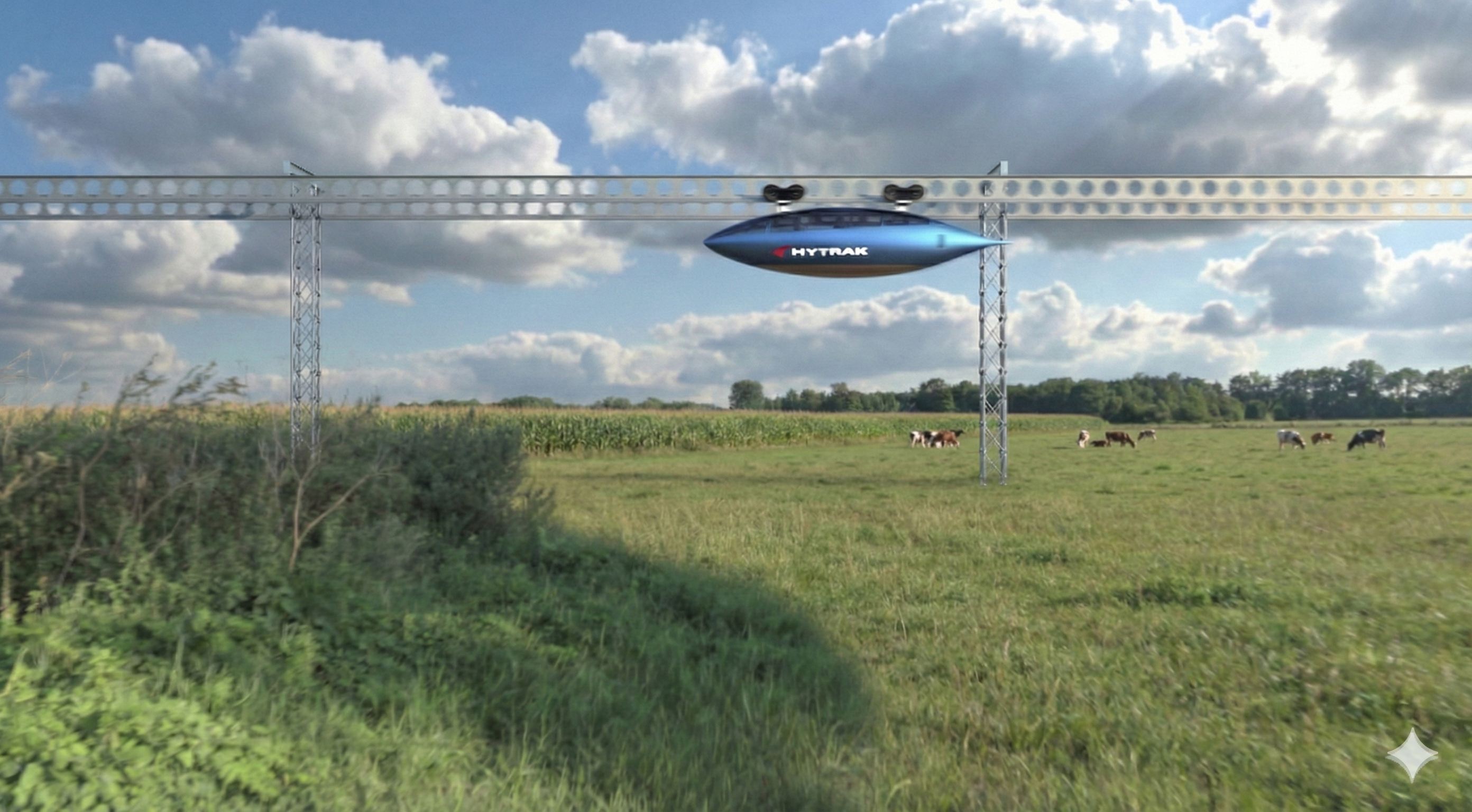
An elegantly simple inverted monorail system. Cars hang below a lightweight elevated rail, eliminating derailment risk while enabling unprecedented speeds in all weather conditions.
Slim, engineered steel towers placed alongside existing highway corridors with minimal land impact. Spans up to 100ft between supports.
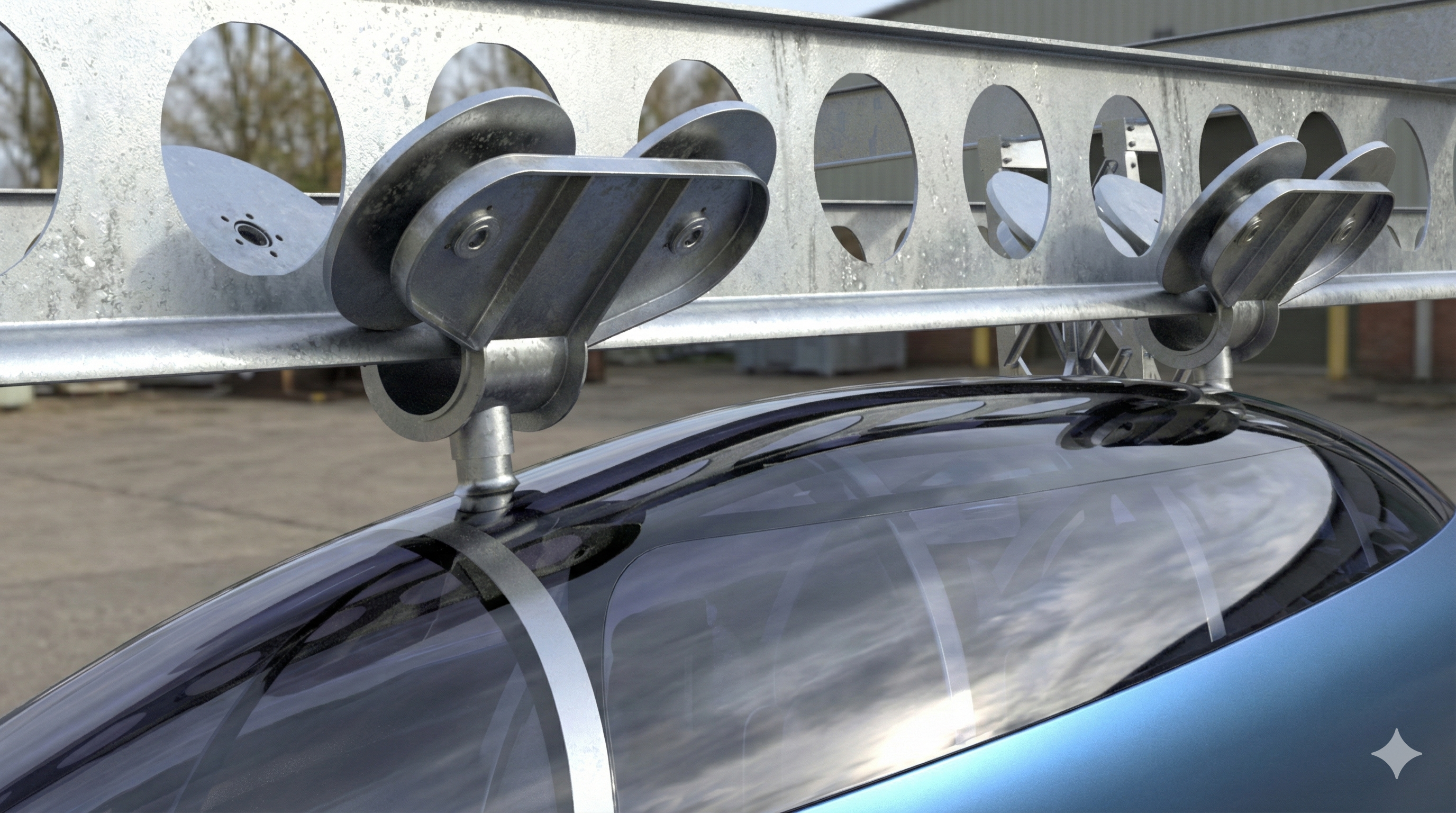
Cars suspend below the rail using a gravity-assisted bogie system - physics itself keeps the car stable and derailment-proof at speed.
Each car carries up to 4 passengers. Non-stop, point-to-point travel. No shared carriages. No intermediate stops unless you choose them.
Book your car like an Uber - choose origin, destination, departure time. Arrive at your hub, board instantly, arrive refreshed.
Every design decision in Hytrak was made to maximize speed, safety, sustainability, and affordability simultaneously - not trade one for another.

Connect cities across hundreds of miles in the same time it takes to drive across town. LA to San Francisco in under 90 minutes.
Your car. Your schedule. No strangers, no delays, no shared cabins.
Fully enclosed cars and elevated track mean no weather cancellations - ever.
Fully electric propulsion. Zero carbon footprint during operation.
The most energy-efficient intercity travel mode ever engineered. Outperforms air, auto, and traditional rail on a per-passenger basis.
No TSA. No long platforms. Board your car in under 5 minutes from hub arrival.
Compact hubs integrate into city edges - no massive terminal infrastructure required.
Unlike theoretical competitors, Hytrak has built and tested a full-scale prototype in Lake County, California. The milestones below represent years of engineering discipline.
Mark Mitchell, P.E. incorporates Hytrak in Lakeport, CA with a mission to reinvent intercity rail.
Core inverted monorail architecture patented. Engineering drawings and structural analysis completed.
The Hytrak team completes construction of a full-scale prototype car and track section in Lake County, California.
Structural, mechanical, and operational testing validates the inverted bogie design. System performs to engineering specifications.
Seeking strategic investment partners and government agencies for pilot corridor implementation in California, Nevada, and Texas.
Target: Initial commercial pilot corridor with fully operational cars and public booking platform.
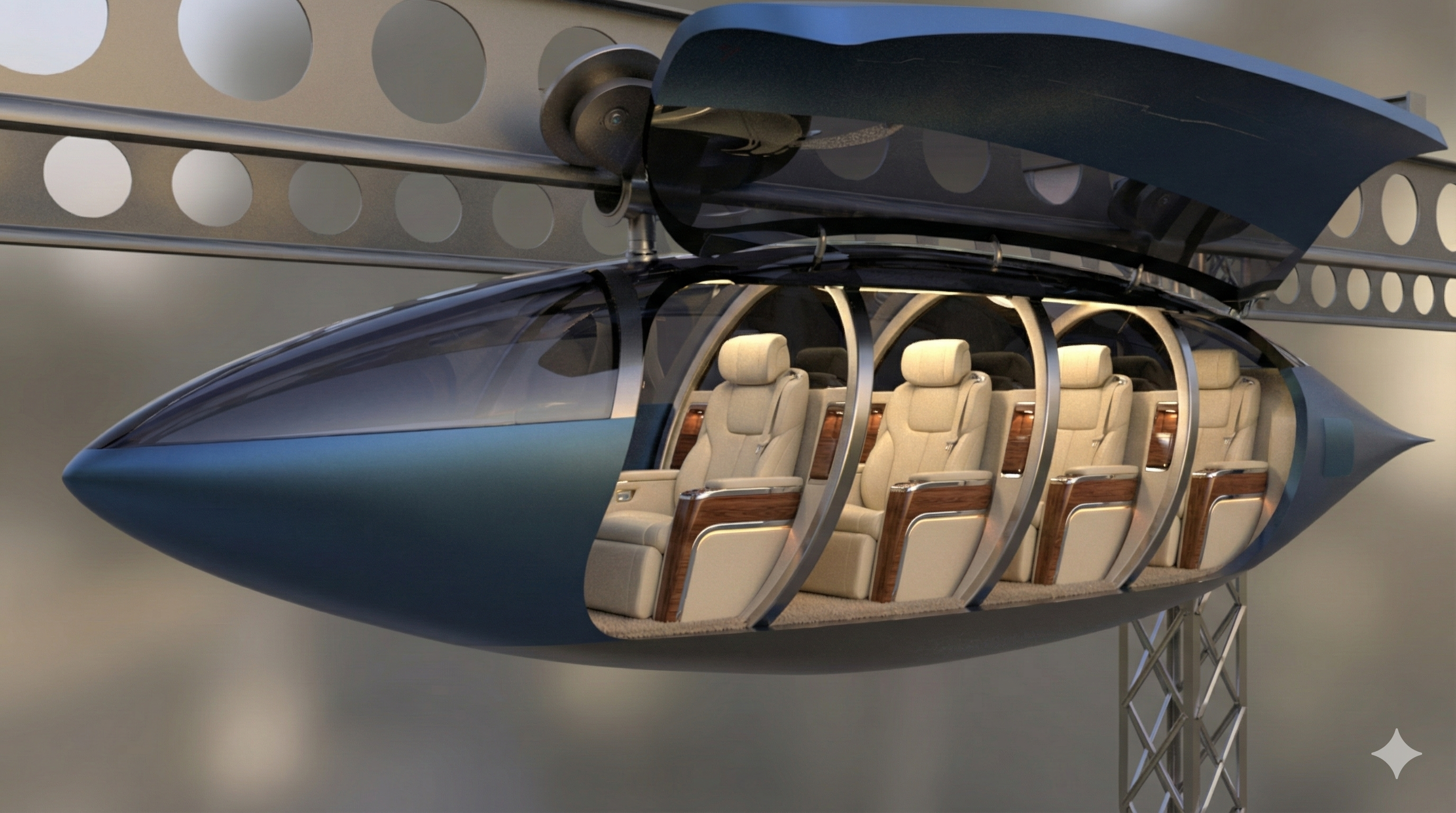
Hytrak provides end-to-end services for governments, developers, and investors ready to bring next-generation elevated rail to their regions.
Hytrak's fully electric, lightweight pods deliver zero operational emissions - with a construction footprint a fraction of conventional rail. Our preliminary analysis of the proposed Amazon · Austin to San Antonio corridor illustrates the scale of impact.
Corridor length - Austin hub to San Antonio hub along the I-35 tech corridor
Estimated annual emissions offset vs. equivalent single-occupancy vehicle trips at full ridership
Embodied carbon in civil works vs. a ground-level high-speed rail alternative on the same route
Direct carbon emissions during daily operation - 100% electric propulsion
Hytrak's preliminary corridor analysis models a high-frequency private-car network connecting major employment centers - including Amazon's Austin-area operations - to San Antonio in under 25 minutes at 250 mph. Compared to the ~2.5-hour drive or short-haul flight alternative, the system projects substantial per-passenger carbon reductions while eliminating highway congestion growth along I-35.
* Preliminary corridor modeling based on Hytrak engineering estimates. Full methodology and assumptions available on the sustainability page.
An objective look at how Hytrak compares to traditional high-speed rail, Hyperloop, and commercial aviation on the metrics that matter most.
| Metric | Hytrak Rail | Traditional HSR | Hyperloop | Air Travel | Auto / Road |
|---|---|---|---|---|---|
| Top Speed | 250 mph | 200 mph | 700+ mph* | 550 mph | 75 mph |
| Construction Cost / Mile | ~$4M | $100–200M | $100M+* | N/A | $10–50M |
| Zero Carbon Emissions | |||||
| All-Weather Operation | |||||
| Private Car Experience | |||||
| No Intermediate Stops | |||||
| Commercially Viable Today | |||||
| Minimal Land Disruption | |||||
| Prototype Built & Tested |
* Theoretical / projected figures. Hyperloop commercial deployment not yet achieved.
The Hytrak team successfully built and began testing the first full-scale inverted monorail car and track system at their Lake County, California facility.
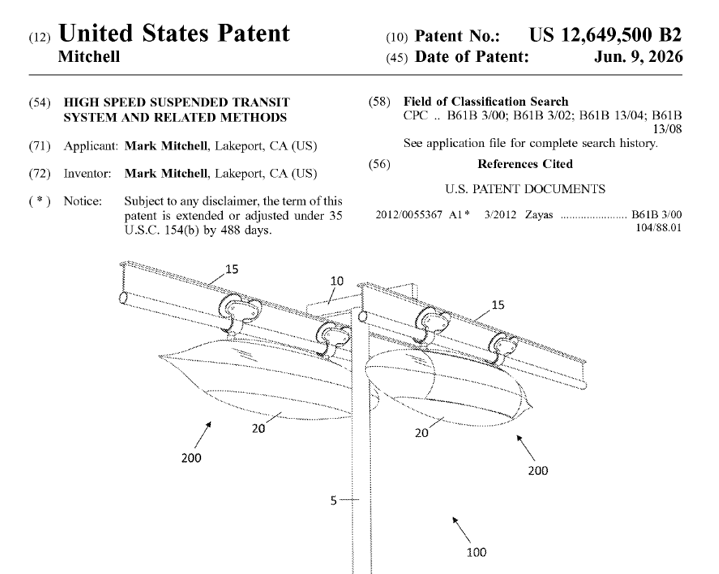
An in-depth look at how Hytrak's gravity-augmented bogie design eliminates the complexity and cost that plagues conventional elevated rail systems worldwide.
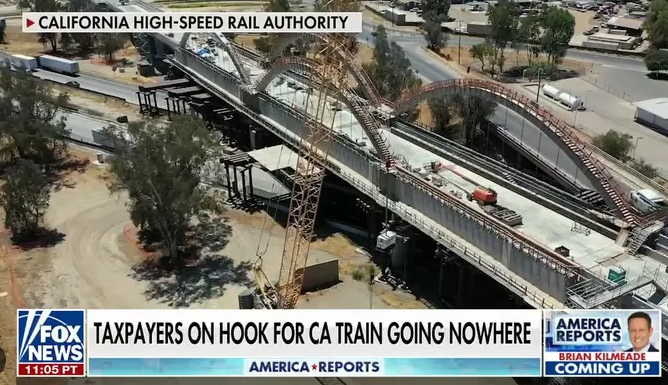
As the state's traditional high-speed rail program faces renewed scrutiny over costs and delays, Hytrak's elevated system - built for roughly 5% of conventional rail project costs - presents a compelling alternative for state legislators and investors.
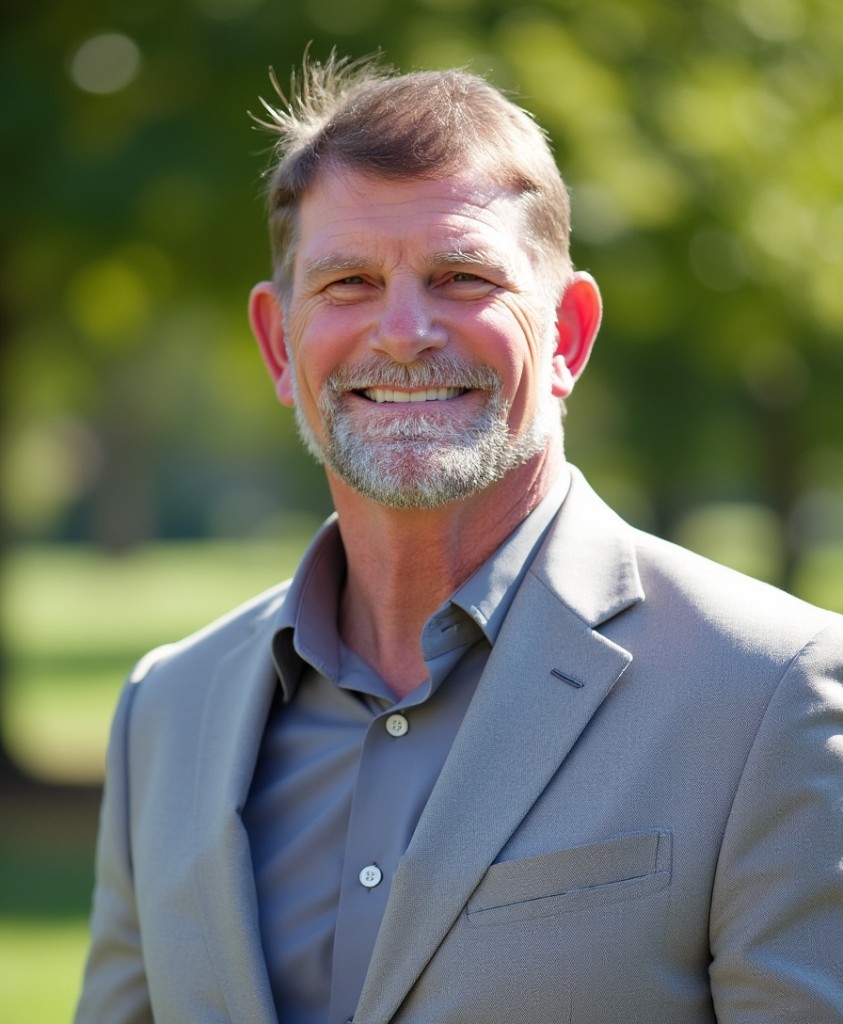
Mark Mitchell is a licensed Professional Engineer with decades of experience in complex civil and infrastructure development across California. As founder and CEO of Hytrak Rail Corporation, he conceived, patented, and built the inverted monorail system from the ground up - from initial concept through full-scale prototype construction in Lake County, CA.
Mark's background spans residential and commercial development project management, structural engineering, and transportation infrastructure - giving Hytrak a uniquely cross-disciplinary founding perspective.
Recognized By & Aligned With
mph Top Speed
Of Conventional HSR Cost
Passengers / Day / System
MPG Equivalent Efficiency